

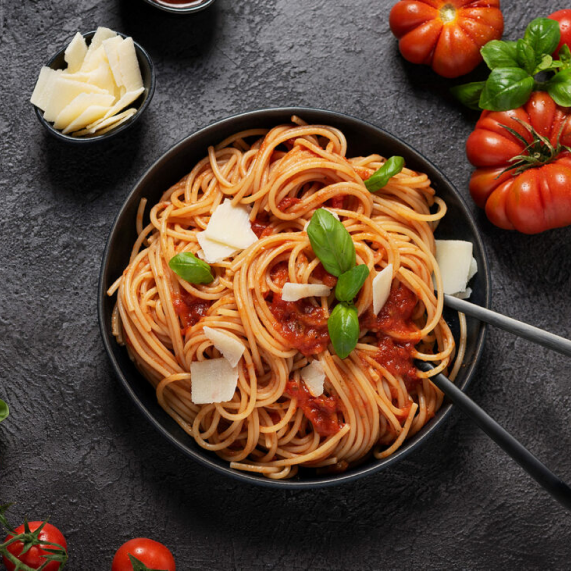
Spaghetti, a beloved type of pasta that is known for its long, thin, and cylindrical shape, has a fascinating and extensive history that dates back centuries. The name “spaghetti” derives from the Italian word “spaghetto,” which means “thin string” or “twine” in English. This staple food is often served with a variety of sauces, from simple tomato sauce to more complex meat or seafood-based sauces, and is enjoyed by people all around the world. In the past, the process of creating spaghetti was a labor-intensive task, as it was crafted by hand.
However, with the advancements in technology, the production of spaghetti has been revolutionized, allowing for it to be manufactured on a much larger scale. This has made it more widely available to people all over the world. Now, delicious plates of spaghetti can be enjoyed by anyone, regardless of their location or access to traditional methods of pasta-making.
Origin, Legends, and Stories about Spaghetti
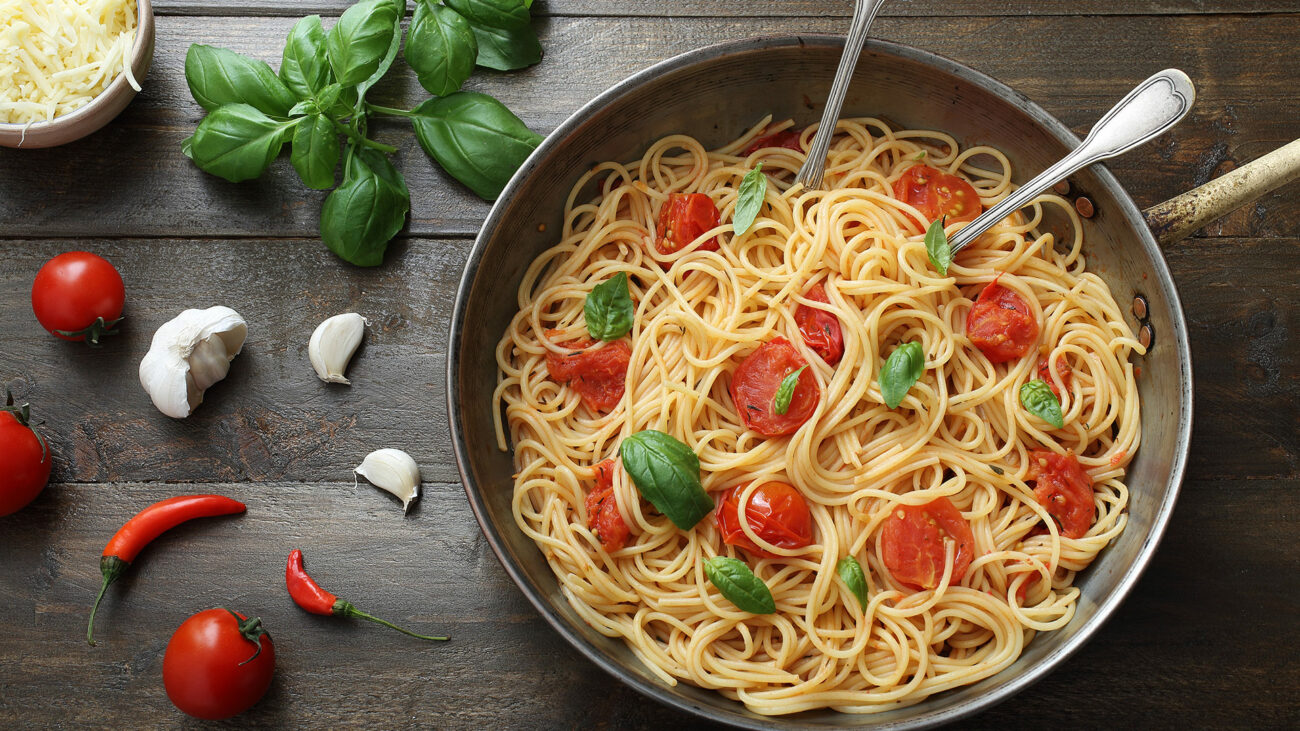
Although there is a popular legend that credits Marco Polo with introducing spaghetti to Italy after his return from China, where he discovered a similar type of noodle, historical evidence suggests that pasta was already a well-established part of Italian cuisine long before Polo’s travels. Archaeological discoveries have revealed the existence of pasta-like dishes in the Mediterranean region dating back to ancient times. These early versions of pasta were made from grains such as wheat, barley, and millet, and were often cooked in a variety of ways, including boiling and baking. As time went on, pasta became increasingly popular throughout Italy, with different regions developing their unique styles and variations of the dish. Today, pasta remains a beloved staple of Italian cuisine, enjoyed by people all over the world.
Over the centuries, spaghetti evolved from a simple staple food to a culinary icon, cherished for its versatility and ability to pair with various sauces and ingredients. Today, spaghetti dishes are enjoyed in homes, restaurants, and celebrations worldwide, showcasing the enduring legacy of Italian culinary traditions.
Ingredients for crafting the perfect Spaghetti experience
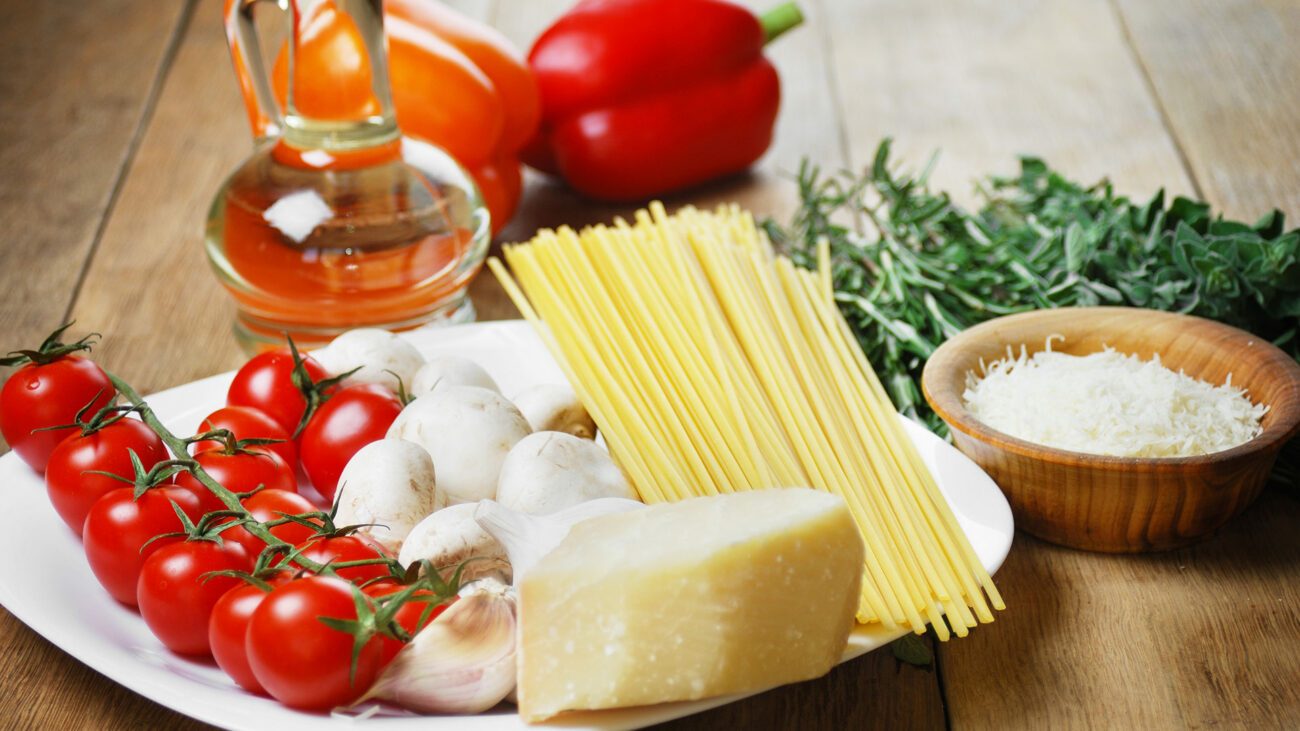
If you’re looking to prepare a delicious Italian spaghetti dish in the comfort of your own home, there are several essential ingredients and materials that you’ll need to ensure that the flavor, texture, and overall quality of your dish are nothing short of exceptional. But what do we need to make a perfect Italian feast?
Spaghetti Pasta
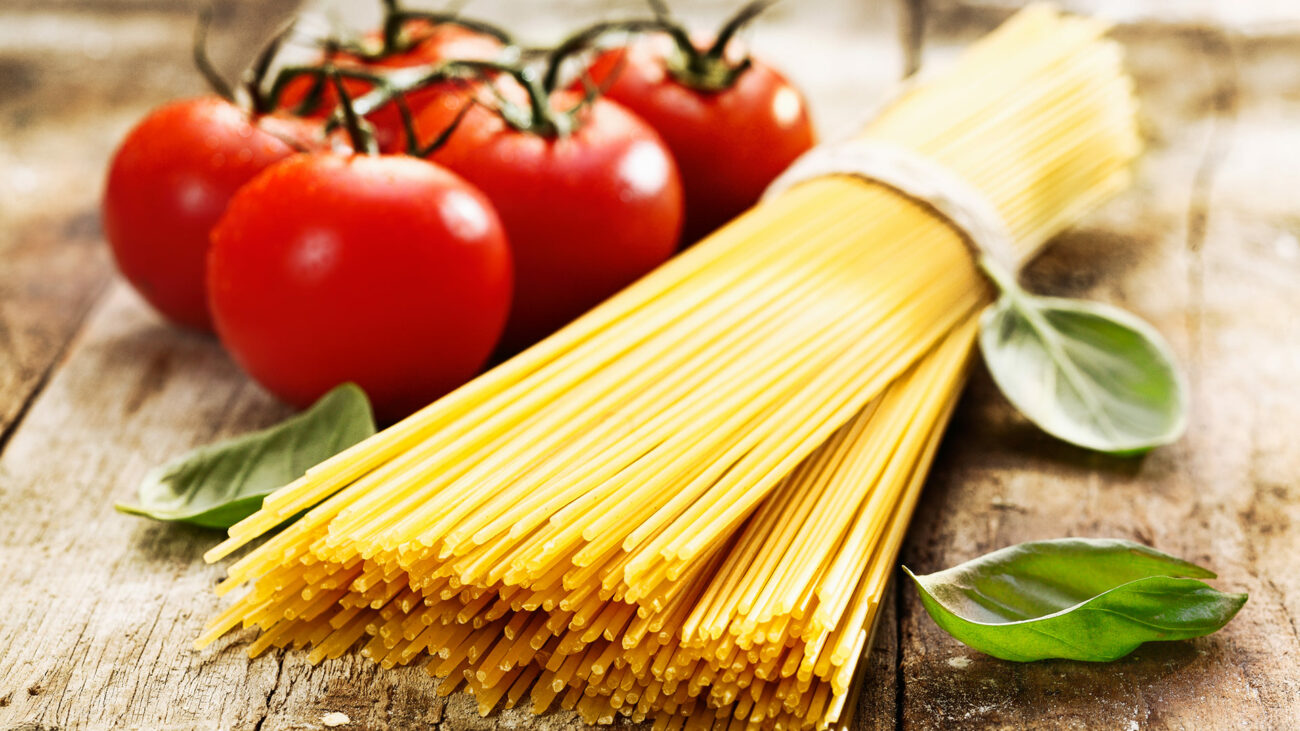
For an authentic and delightful dining experience, it is recommended to choose high-quality spaghetti made from durum wheat semolina. The texture and shape of this pasta are designed to hold onto sauces and flavors, allowing you to savor every bite with a burst of deliciousness. By selecting the right type of spaghetti, you can elevate your meal to a whole new level of taste and enjoyment.
Tomato Sauce
To make a truly delicious tomato sauce, start with ripe tomatoes bursting with flavor. Add in finely chopped garlic and onions to bring depth and complexity to the dish. For a fragrant and fresh taste, include plenty of basil and oregano. Allow the sauce to simmer slowly, letting the flavors meld together and the sauce thicken to a velvety texture that perfectly coats the spaghetti. The result will be a dish that’s bursting with rich, savory flavor and aroma.
Extra Virgin Olive Oil
Choose a premium quality olive oil to add depth and richness to the dish. Olive oil not only enhances the flavor of the spaghetti but also contributes heart-healthy monounsaturated fats and antioxidants.
Parmesan Cheese
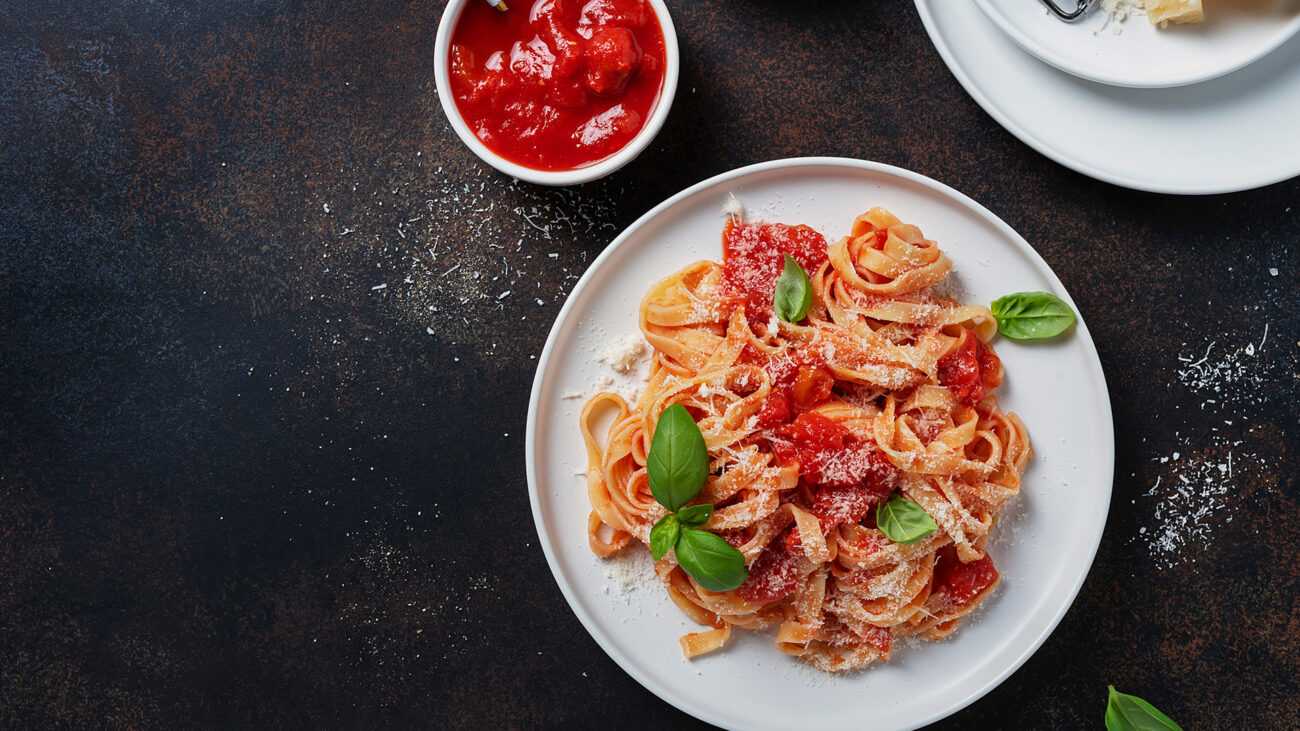
Adding freshly grated Parmesan cheese to spaghetti is a culinary delight that takes the dish to new heights. The cheese enhances the dish with its rich umami flavor, giving a creamy texture in every bite. The sharpness of Parmesan is the perfect complement to the acidic tomato sauce, creating a harmonious balance of flavors that is simply divine.
Fresh Herbs
To give your dish a pop of freshness and a burst of flavor, consider using fresh basil or parsley as a garnish. For best results, finely chop the herbs and sprinkle them over the dish just before serving. This will help to preserve their vibrant color and robust flavor, adding a touch of elegance to your culinary creation. Also don’t forget to use enough oregano, it can elevate the level of your spaghetti to summit!
Salt and Pepper
Seasoning with salt and freshly ground black pepper enhances the overall flavor profile, bringing out the natural sweetness of the tomatoes and herbs.
Now bring the Italian Flavors to Your Kitchen
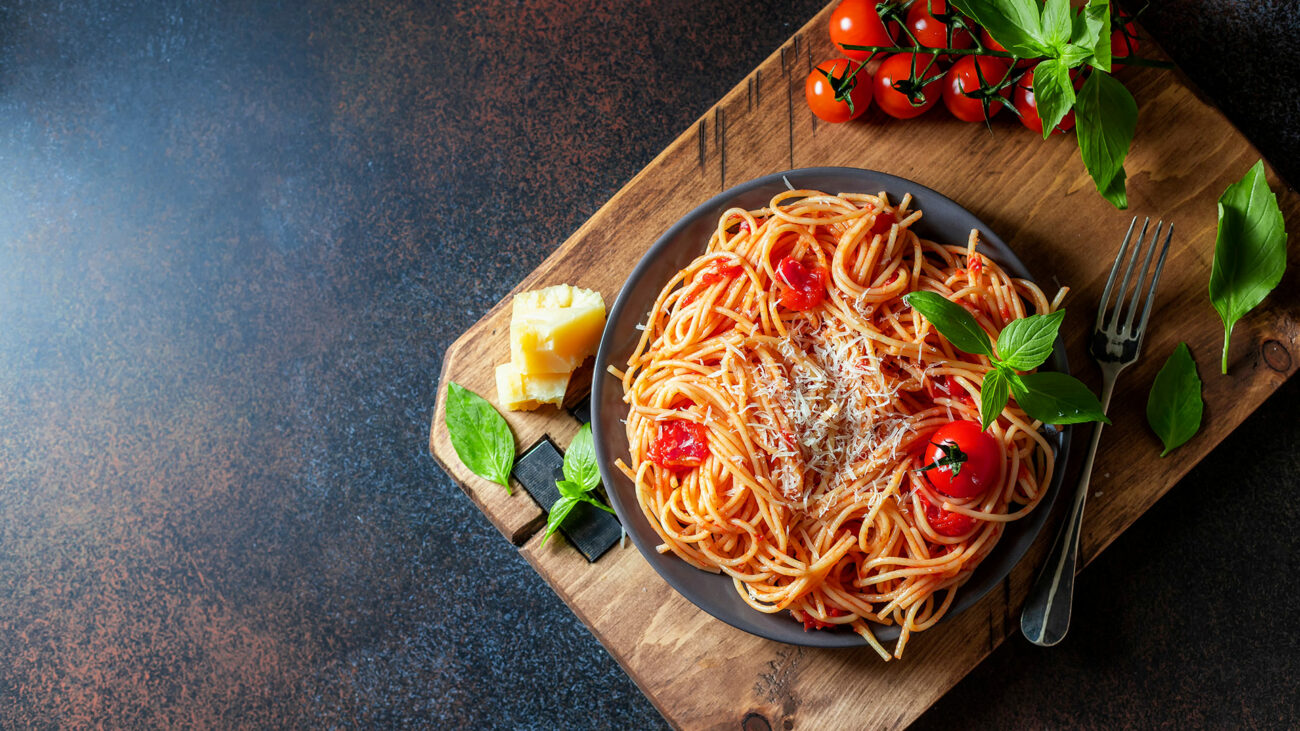
Now, let’s delve into the step-by-step process of preparing perfect Italian spaghetti using a gas cooker it’s cooking time!
At first, Boil the Water. Fill a large pot with water and bring it to a rolling boil over high heat on your gas cooker. For optimal results, use a pot that is large enough to accommodate the spaghetti without overcrowding. Once the water reaches a boil, add a generous amount of salt to enhance the pasta’s flavor. Remember, the water should taste like the sea, as this is the only opportunity to season the spaghetti itself!
Now it’s time to Cook Spaghetti. Add the spaghetti to the boiling water, stirring occasionally to prevent sticking. Cook according to the package instructions until al dente, typically around 8-10 minutes. It’s essential to taste the pasta for doneness, as overcooked spaghetti can become mushy and lose its texture.
In the next step, Prepare Tomato Sauce. While the spaghetti is cooking, heat a saucepan over medium heat on another burner of your gas cooker. Add a splash of olive oil and sauté minced garlic until fragrant, being careful not to let it brown. Pour in the tomato sauce and simmer gently, allowing the flavors to meld and the sauce to thicken slightly.
After that, Drain Spaghetti. Once the spaghetti is cooked to perfection, drain it using a colander, reserving a small amount of pasta water. The pasta water contains starches that help to thicken and bind the sauce, so it’s a valuable asset in achieving the desired consistency.
One step left! Combine and Serve. Add the cooked spaghetti to the simmering tomato sauce, tossing gently to coat the pasta evenly. If the sauce is too thick, add a splash of reserved pasta water to achieve the desired consistency. The heat of the pasta will help for combination of the flavors of the sauce and spaghetti, creating a cohesive and magnificent dish.
Finally, Garnish and Enjoy your homemade Italian feast! Plate the spaghetti, garnishing with freshly grated Parmesan cheese and chopped herbs. Serve hot and savor the authentic flavors of Italy in the comfort of your own home. For an extra touch of indulgence, drizzle a swirl of extra virgin olive oil over the top just before serving.
Health Fact about Italian Spaghetti
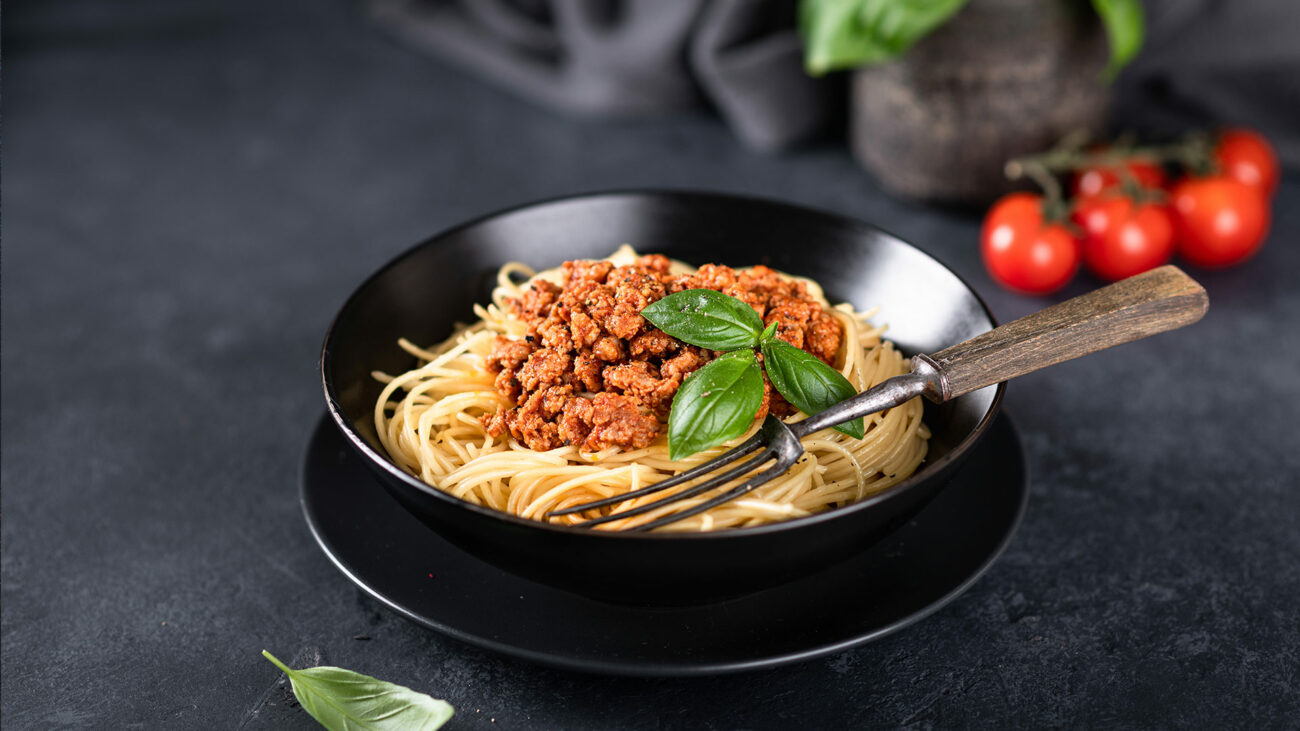
Italian spaghetti not only delights the palate but also offers nutritional benefits that contribute to overall health and well-being. As a carbohydrate-rich food, spaghetti provides a significant source of energy, making it an excellent choice for fueling your body and supporting an active lifestyle. Additionally, spaghetti contains essential vitamins and minerals, including:
Vitamin C: Tomatoes, a primary ingredient in spaghetti sauce, are rich in vitamin C, an antioxidant that supports immune health and collagen production.
Vitamin A: Tomatoes also contain vitamin A, which is essential for vision, immune function, and skin health.
Iron: Spaghetti made from durum wheat semolina provides a good source of iron, a mineral necessary for oxygen transport and energy metabolism.
Potassium: Tomatoes and herbs used in spaghetti sauce contribute potassium, an electrolyte that helps regulate blood pressure and fluid balance.
By incorporating fresh ingredients like tomatoes and herbs into your homemade spaghetti, you not only enhance the flavor and texture of the dish but also boost its nutritional value, ensuring a wholesome and satisfying meal.
Conclusion: Embracing the Art of Homemade Italian Spaghetti
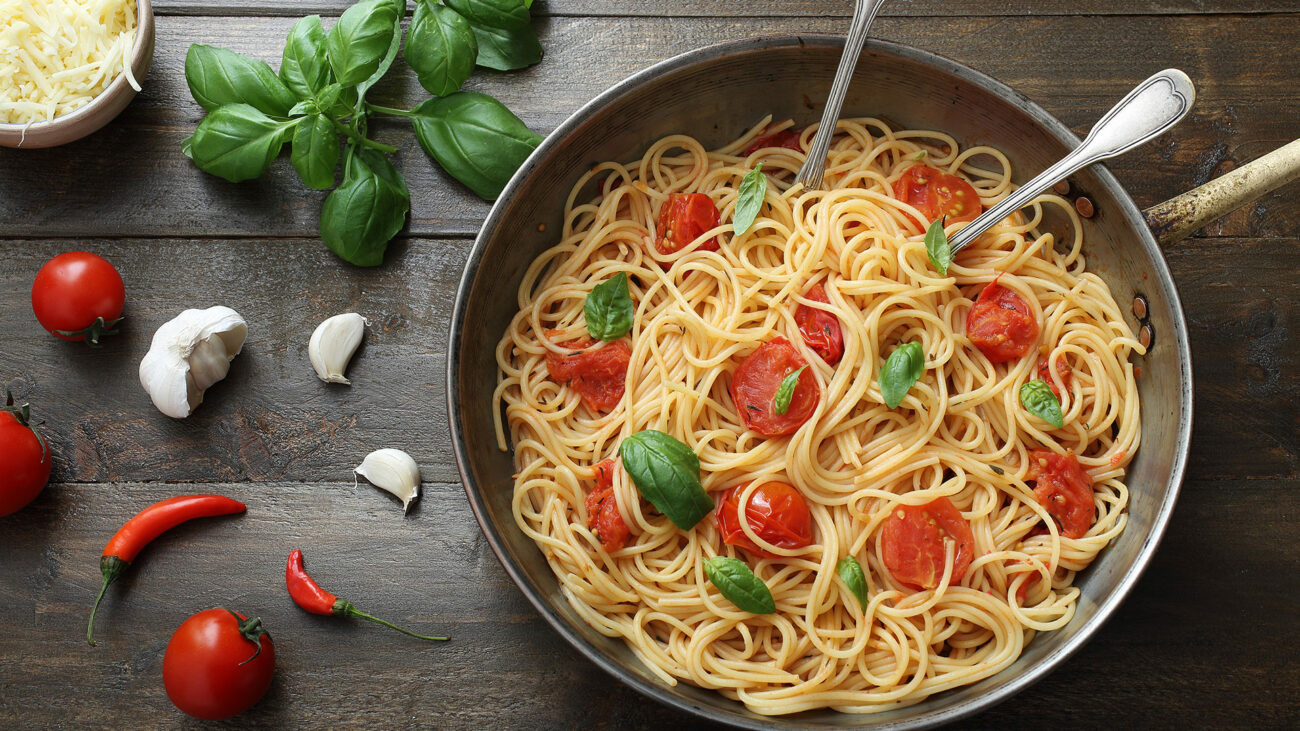
In conclusion, mastering the art of homemade Italian spaghetti is a rewarding culinary journey that brings the flavors of Italy into your kitchen. By understanding the history and origin of spaghetti, selecting the finest ingredients, and following the gas cooker method outlined above, you can create a delicious and nutritious pasta dish that delights the senses and nourishes the body.
From the tantalizing aroma of simmering tomato sauce to the al dente perfection of freshly cooked spaghetti, each step in the process is an opportunity to celebrate the timeless appeal of Italian cuisine. So, roll up your sleeves, gather your ingredients, and embark on a culinary adventure that honors tradition while inviting creativity and exploration.
Whether enjoyed as a cozy family dinner or a festive gathering with friends, homemade Italian spaghetti is more than just a meal—it’s a celebration of food, culture, and the joy of sharing a delicious experience with loved ones. So, embrace the art of spaghetti-making with enthusiasm and passion, and let the flavors of Italy transport you to a place of culinary bliss. Buon appetito!